MindPlay
MindPlay
Problem & Insight
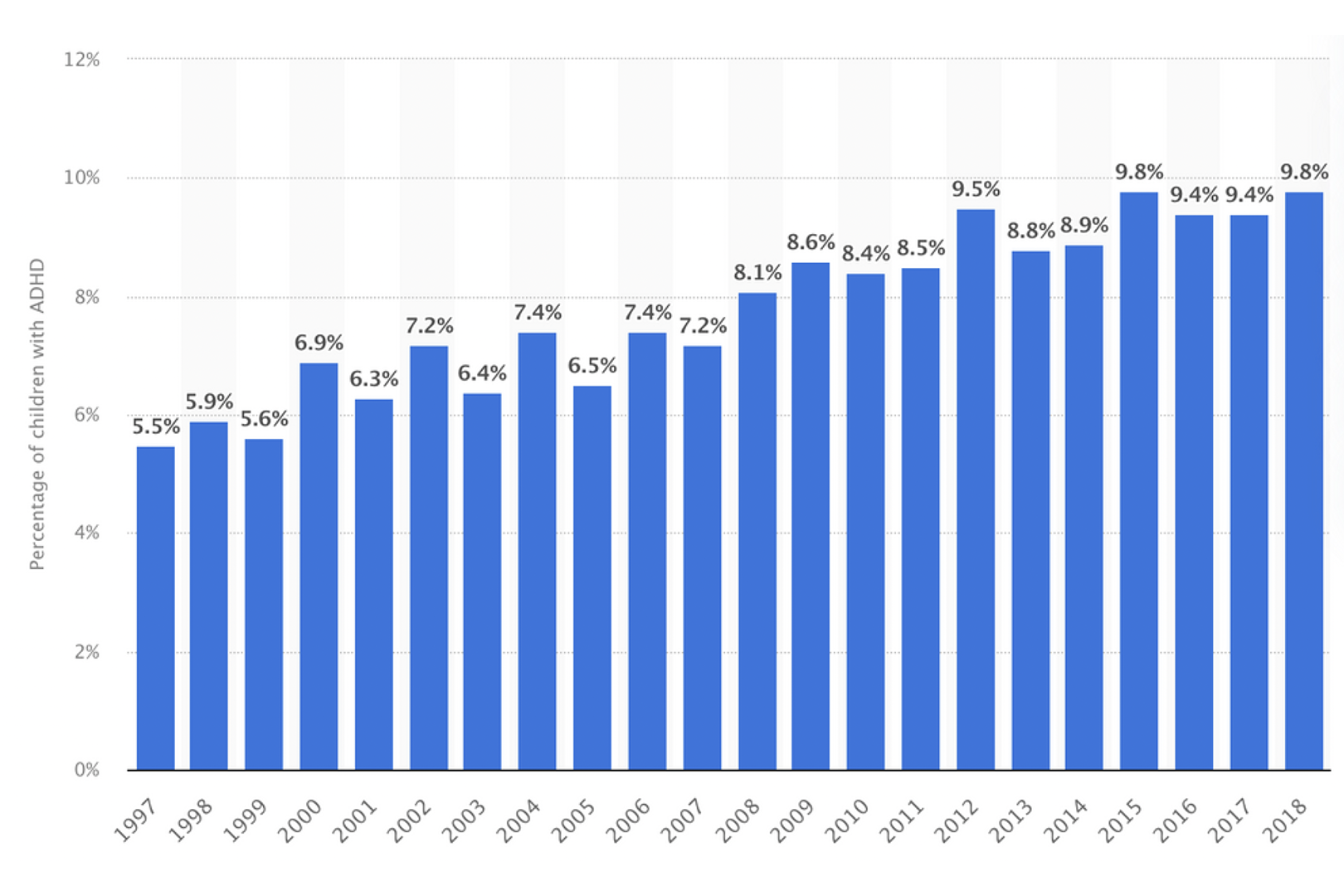
ADHD diagnoses among U.S. children nearly doubled between 1997 and 2018, rising from 5.5% to 9.8%. Yet traditional treatments, medication and clinical therapy, often feel clinical, repetitive, and disconnected from how children naturally engage with the world.
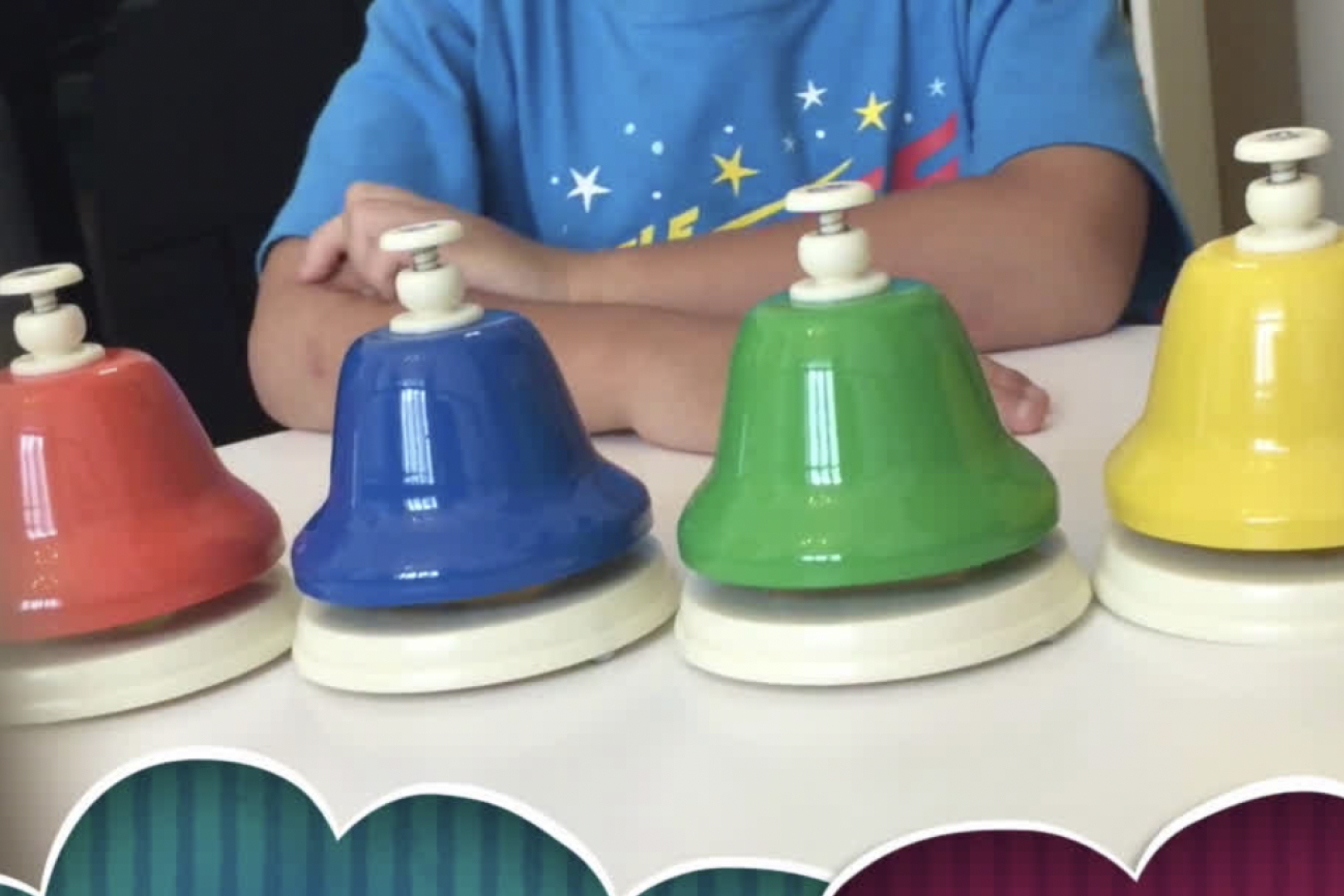
Research indicates that music therapy boosts focus and social skills in ADHD treatment, video games offer innovative ADHD interventions, and color therapy enhances mood and cognition. Targeted physical activities have been found to contribute to therapeutic outcomes.
MindPlay reframes treatment as play, combining music, color, and tactile interaction into a multi-sensory game that supports focus, sensory processing, and cognitive development for children aged 3–12.
The Design
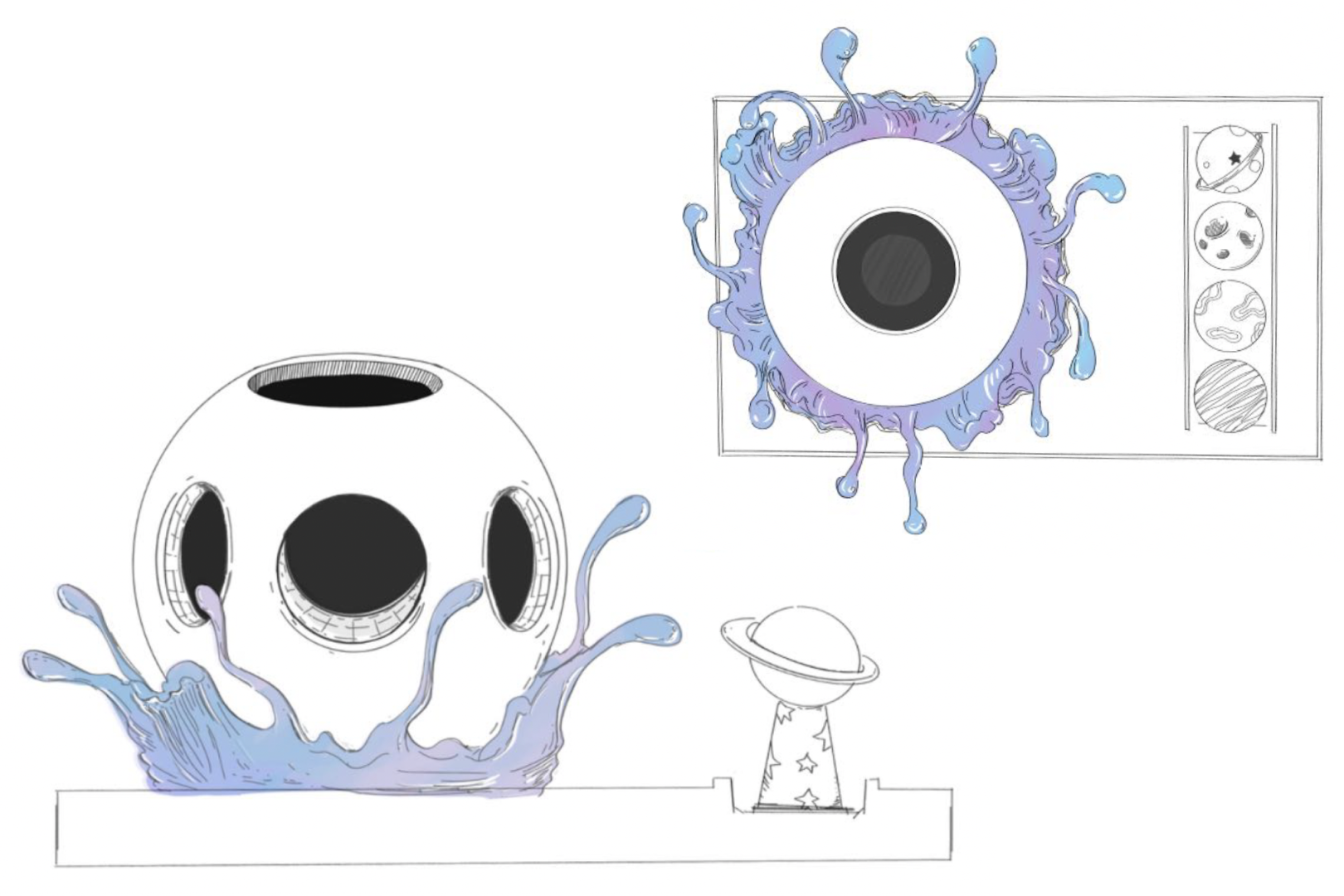
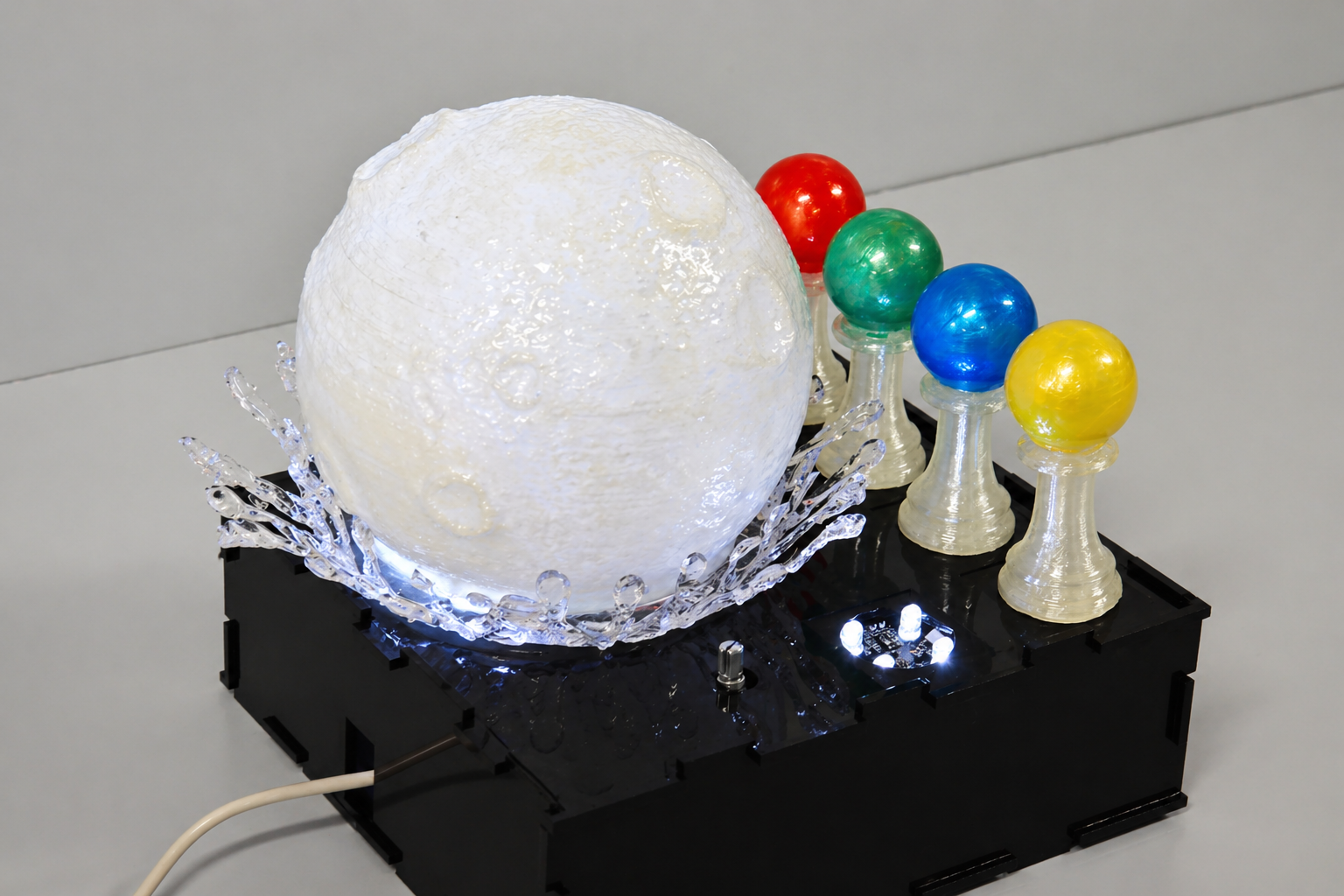
MindPlay is a glowing moon surrounded by four colored star-pieces. When the screen flashes a color, the child finds the matching star, places it on the sensor, and earns a point — triggering sound, light, and visual feedback. The simple loop layers three therapeutic modes (visual, auditory, tactile) into a single act of play, with adjustable pacing for different sensory preferences. Designed to look like home decor, not a medical device.
Process Highlights
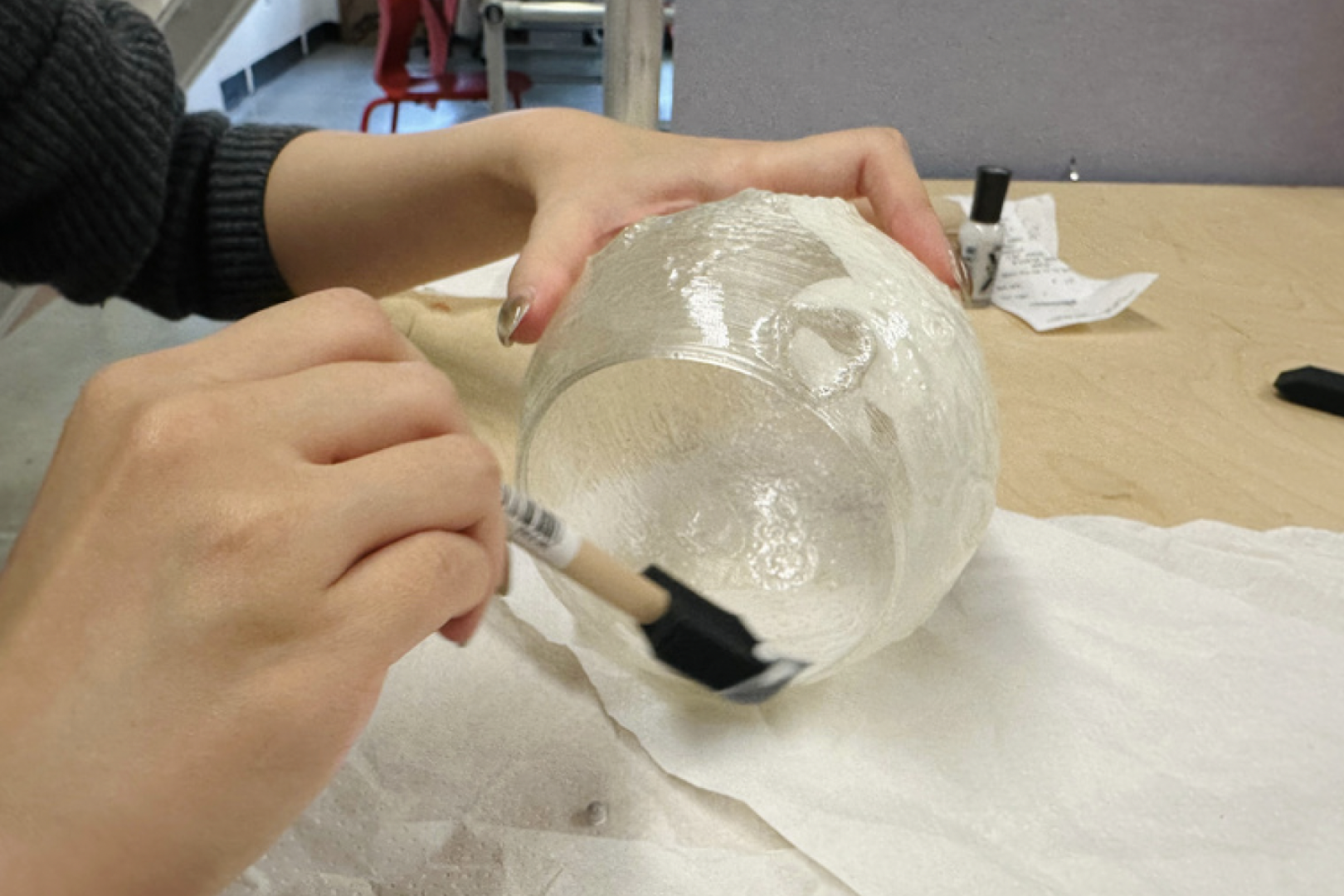
The 3D-printed shell let the LED shine through too sharply, so we painted the inside with white nail polish to diffuse the light into a soft, even glow.
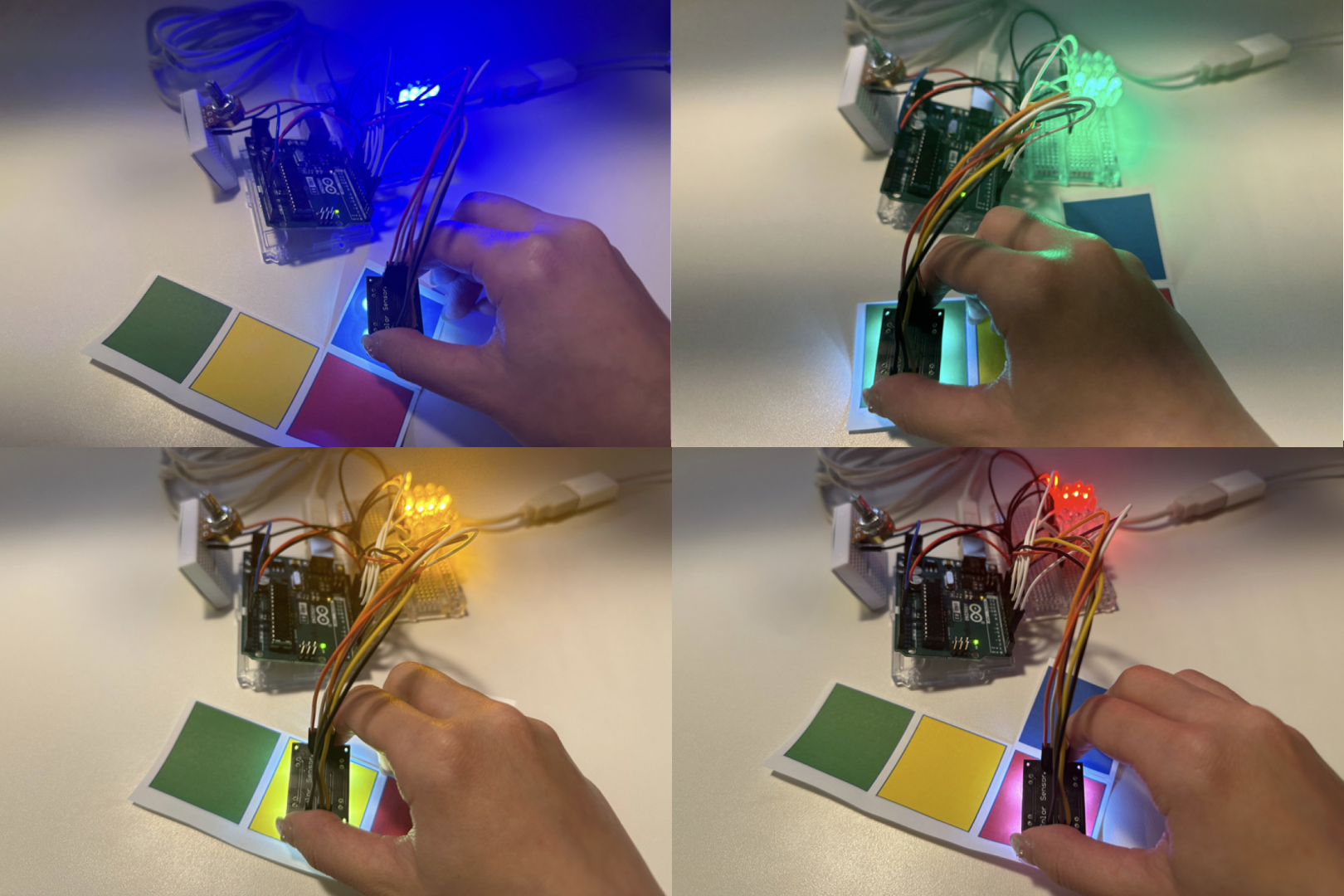
A single RGB LED couldn't render yellow clearly enough for color recognition, so we replaced it with four dedicated LEDs (red, yellow, blue, green) plus a white LED that signals the resting state.
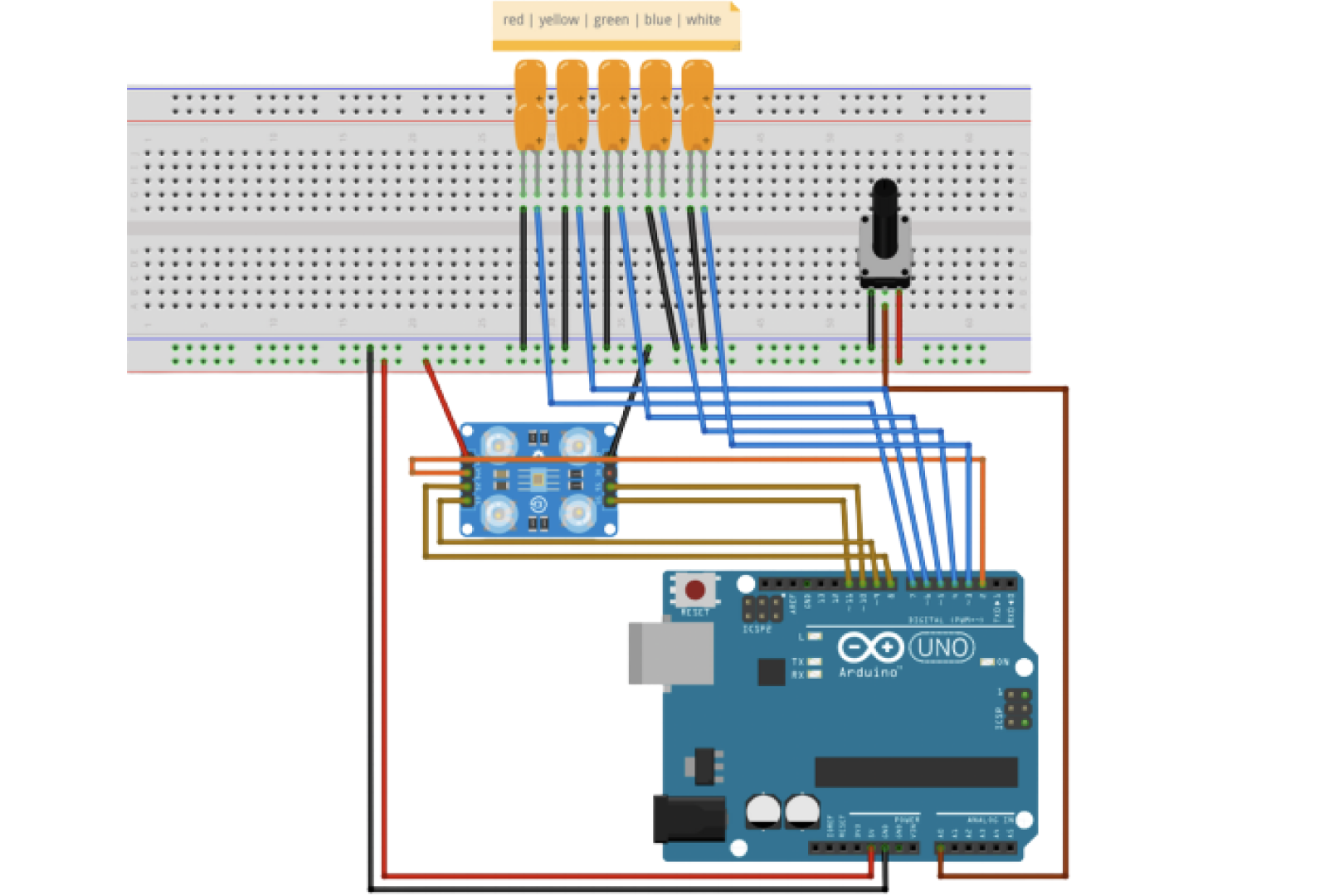
After friends with ADHD told us the color transitions felt too fast, we added a potentiometer so users and caregivers could tune the pace of visual and audio changes to their own sensory threshold.
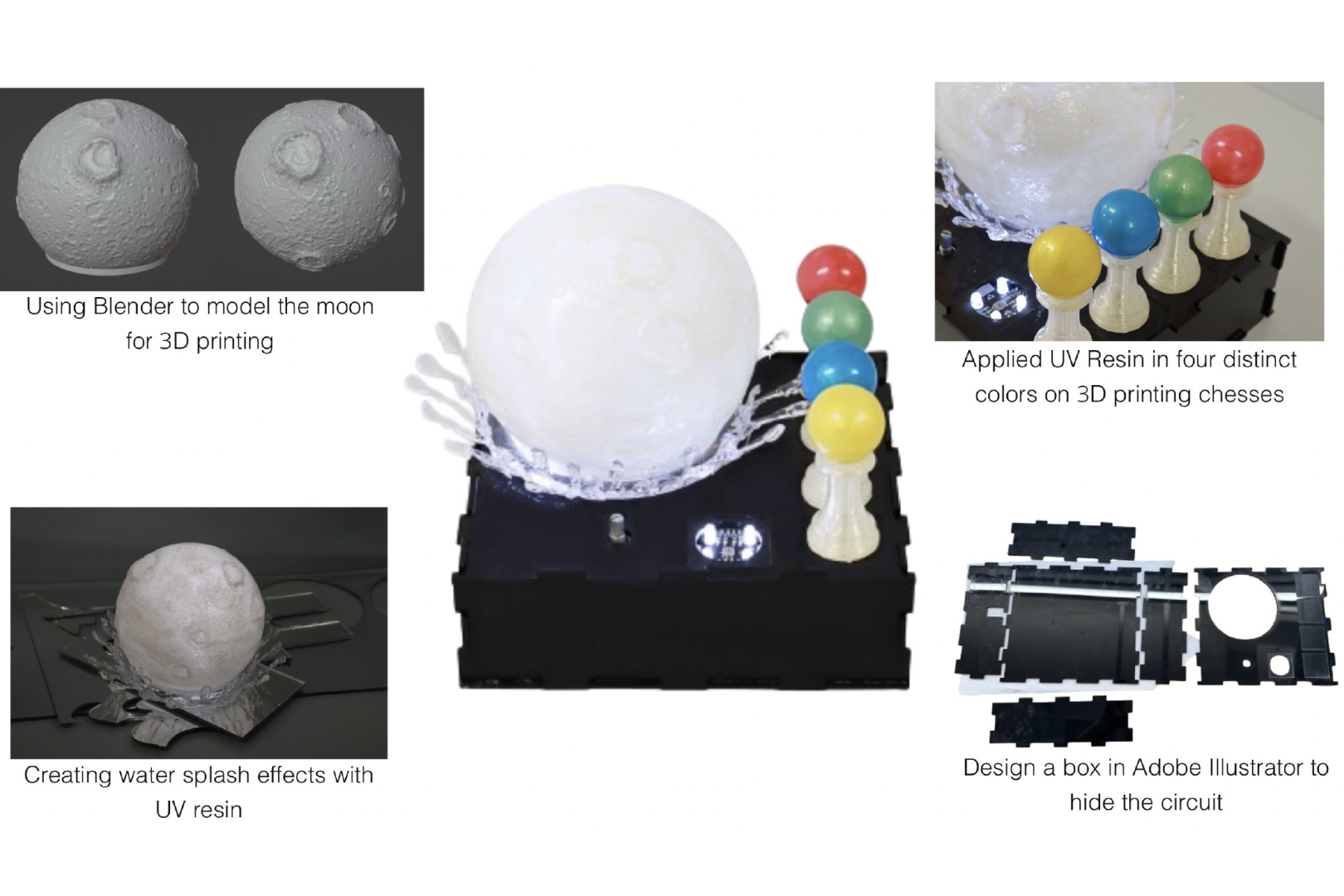
Gameplay
When the screen changes color, the player picks up the matching chess piece and places it on the sensor to score a point, then waits for the next change.